


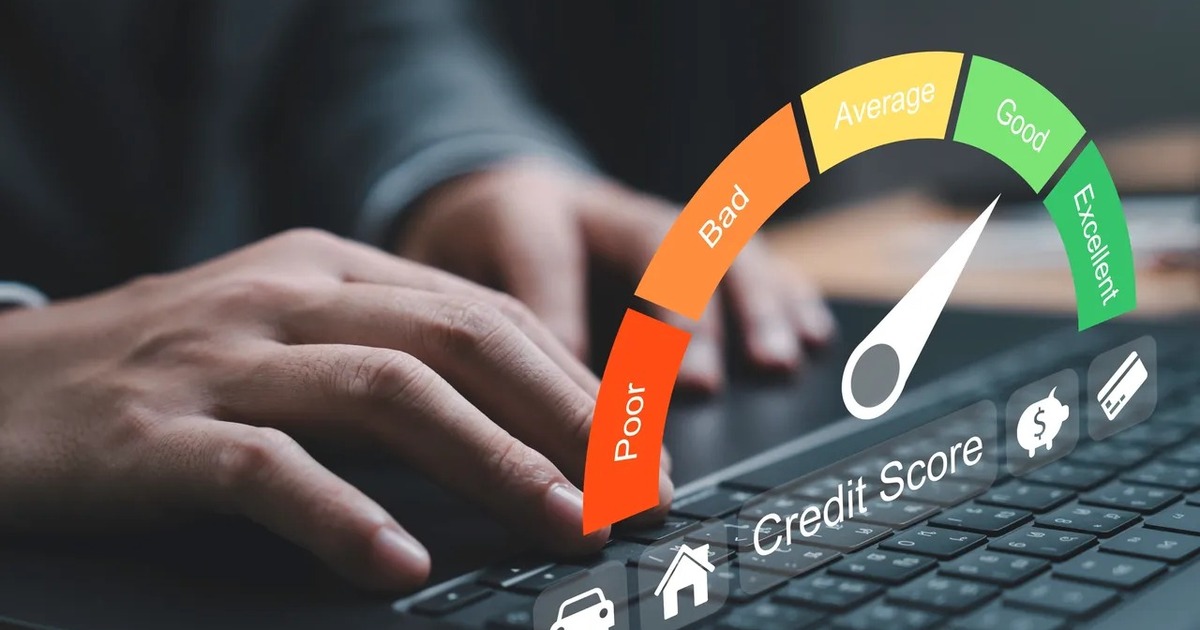
Why Your Credit Score Matters More Than You Think
A strong credit score isn’t just a number — it’s a financial key that unlocks better interest rates, faster loan approvals, and more favorable lending terms. Yet many consumers underestimate how daily financial habits directly influence their creditworthiness. Whether you’re planning to buy a home in Austin, refinance debt in Houston, or apply for a new credit line anywhere in Texas, understanding what actually drives your score is the first step.
This guide breaks down our process into clear, repeatable steps: identifying personal credit pitfalls, prioritizing the actions that deliver the biggest impact, and maintaining momentum over time. From interpreting your credit report to strategic debt management, each phase is designed to give you real control — and with consistent, informed decisions, measurable gains are often visible within a few billing cycles.
Getting Started: Our Step-by-Step Onboarding Process
Starting a new credit improvement journey should feel clear, not confusing. Here’s exactly what happens when you begin working with us:
- Submit your initial information. Provide basic personal and financial details through a secure portal. Accuracy here prevents delays — double-check identifiers like your Social Security number and employment history.
- Complete a financial behavior assessment. Answer targeted questions about spending habits, debt load, and financial goals. This helps tailor a strategy specific to your situation, whether you’re in Austin, Houston, or elsewhere in Texas.
- Receive a custom action plan. Within 48 hours, expect a detailed roadmap outlining recommended steps — like reducing credit utilization or disputing inaccuracies — with a suggested timeline for review milestones.
- Schedule your first consultation. Meet with a FICO-certified advisor by phone, video, or in person at our Austin or Houston office to walk through next steps. Come prepared with questions about report discrepancies or timeline expectations.
Pro tip: Keep digital copies of everything you submit and track communication dates. Staying organized accelerates every stage of the process, especially when addressing errors or verifying account statuses.
Uncovering Hidden Errors Holding Your Credit Back
Understanding your credit report is the first step toward meaningful improvement. Many consumers overlook inaccuracies that quietly drag down their score — errors that are often straightforward to dispute and remove. A thorough review means checking every section of your report: personal information, account histories, inquiries, and public records. Misspelled names, outdated addresses, or accounts mistakenly marked delinquent can all hurt your score for no good reason.
Start by pulling your free annual reports from all three bureaus — Experian, TransUnion, and Equifax — and reviewing them side by side to spot discrepancies unique to a single bureau. Pay close attention to:
- Account balances and credit limits — incorrect reporting here throws off your utilization ratio.
- Payment history — late payments that shouldn’t be listed can be contested.
- Inquiries — unauthorized hard pulls may signal fraud or a reporting error.
- Public records — outdated bankruptcies or collections should be independently verified.
Across Austin and Houston, we see clients increasingly proactive about monitoring their credit health. By identifying and disputing errors directly with the bureaus, you take control of your own financial narrative — and correcting a duplicate debt or an identity mix-up is a proven way to see faster score movement, sometimes within 30 days.
Your Credit Blueprint: A Step-by-Step Plan to Dispute Errors and Grow Your Score
Taking control of your credit starts with a clear, personalized plan. This isn’t about quick fixes — it’s about strategic, sustainable growth.
- Pull your full credit report. Get your free annual reports from all three bureaus and review every account, inquiry, and status line carefully. Even one incorrect late payment can drag your score down.
- Flag errors and inconsistencies. Highlight discrepancies — wrong balances, outdated personal info, accounts that aren’t yours. Identity theft and reporting errors are more common than most people expect.
- Draft targeted dispute letters. For each error, write a concise letter citing the specific inaccuracy and requesting investigation. Include supporting documentation — ID, proof of address, or other relevant records — to strengthen your case.
- Submit disputes to all three bureaus. Send each by certified mail so there’s a paper trail, then follow up within 30 days — bureaus are legally required to respond in that window.
- Monitor updates and begin credit-building. Once corrections post, shift focus to positive actions: reducing utilization, becoming an authorized user, or opening a secured card. Consistency is what turns this plan into lasting results.
Staying on Track: Our Dispute Cadence and Progress Updates
How disputes unfold — and how progress gets tracked — makes a real difference in outcomes. A structured dispute cadence ensures challenges to inaccurate or outdated information are filed promptly and strategically. This isn’t a one-time action; it’s an ongoing process that lines up with billing cycles, creditor response timelines, and bureau processing windows.
Clients receive monthly progress updates detailing which disputes have been filed, what responses have come back from the bureaus, and any changes reflected in the latest reports. These updates help you stay informed and spot patterns — like a recurring error or a slow-moving item — so the strategy can be adjusted along the way.
Key benefits of this approach:
- Transparency into what’s being disputed and why.
- Accountability through scheduled follow-ups.
- Adaptability when a particular strategy needs refinement.
Your Top Credit Repair Questions, Answered
How long does credit repair usually take?
Most people start seeing changes within 30 to 90 days, depending on the complexity of their report. Since bureau disputes typically take about 30 days to process, multiple rounds are sometimes needed. The number of inaccuracies and how quickly creditors respond both affect the timeline.
Can I repair my credit on my own?
Yes — you have the legal right to dispute errors and manage your credit independently, including requesting reports, filing disputes, and communicating with creditors. Many people find the process time-consuming, though, especially when dealing with dense bureau language or a stubborn, repeat inaccuracy.
Will paying off old debts boost my score immediately?
Not always. Paying down balances improves your credit utilization ratio, but older negative marks like late payments or collections may still remain on the report. The actual impact depends on the scoring model used and how recently the negative activity occurred.
Can errors really be removed from my credit report?
Yes. Inaccurate information — accounts you didn’t open, incorrectly reported late payments, or outdated collections — can be disputed and removed under the Fair Credit Reporting Act. Documentation is what makes the difference when challenging these items.
Is credit repair legal?
Yes, legitimate credit repair is fully legal. It involves identifying and disputing information that’s inaccurate, misleading, or unverifiable. Be cautious of any company promising instant fixes or guaranteed score increases — those are red flags, not credentials.
Does it matter that I’m in Texas specifically?
Working with a credit coach who knows the Austin and Houston markets can help when it comes to timing your credit work around a local mortgage or auto loan application. That said, since credit bureaus operate nationally, the core dispute and repair process is the same no matter where you live.
Your Path to Better Scores Starts Now
Raising your score doesn’t happen overnight, but with the right approach, measurable progress is well within reach. Our process breaks down what can feel overwhelming into clear steps: evaluating your current standing, identifying what’s actually holding your score back, making targeted improvements, and consistently monitoring results.
Start by reviewing your full report for inaccuracies or outdated entries — many people overlook small errors that are quietly holding their score back. From there, focus on reducing high balances, keeping utilization low, and avoiding unnecessary hard inquiries. Payment history remains one of the most influential factors, so setting up automated reminders or payments is one of the simplest ways to protect your progress.
Ready to see where your credit stands? Elevate My Scores offers FICO-certified credit coaching at two Texas locations. Austin office (by appointment): 8911 N Capital of Texas Hwy, Ste 4200 — 512-807-6006. Houston office (by appointment): 10101 Southwest Fwy #400a — 281-819-6006. Visit elevatemyscores.com to schedule a consultation.